This site uses affiliate links, meaning that if you make a purchase through our links, we may earn an affiliate commission.
If you are going to Florida, then you need to put Big Cypress National Preserve on your bucket list of places to see in Florida.
Big Cypress National Preserve is an incredible place beaming with extraordinary wildlife. If you want to escape the crowds and have the place pretty much to yourself, then, hands down, skip the overrated Everglades and head out to this hidden gem.
Big Cypress can be easily done on a day trip from Miami and here are 16 best things to do in Big Cypress National Preserve!
Big Cypress National Preserve
- 1. 16 Things to Do in Big Cypress National Preserve
-
- 1.1. The Ghost Town of Pinecrest
- 1.2. Tree Snail Hammock Trail
- 1.3. The Florida Trail Southernmost Point
- 1.4. Culvert 30
- 1.5. Sweetwater Strand
- 1.6. Gator Hook Trail
- 1.7. Sawgrass Prairie
- 1.8. Monroe Station
- 1.9. H.P. Williams Roadside Park
- 1.10. Turner River Road
- 1.11. Upper Wagonwheel Road
- 1.12. Birdon Road
- 1.13. Ochopee Post Office
- 1.14. Kirby Storter Roadside Park and Boardwalk
- 1.15. Big Cypress Oasis Visitor Center and Boardwalk
- 1.16. Miccosukee Indian Village
16 Things to Do in Big Cypress National Preserve
If you are visiting Big Cypress from Miami, the easiest way to explore the preserve is to follow this route: start with Loop Road Scenic Drive, continue to Turner River, Upper Wagonwheel, and Birdon Road Loop Drive, and finish your day by returning to Miami along Tamiami Trail (U.S. Highway 41). This route takes you through the best wildlife and scenic areas without backtracking.
#1. Loop Road Scenic Drive
#2. Turner River – Upper Wagonwheel – Birdon Road Loop Drive
#3. Tamiami Trail (U.S. Highway 41)
Following is a map showing the main roads mentioned in this guide. It will help you get a clear picture of where everything is before you start the drive.
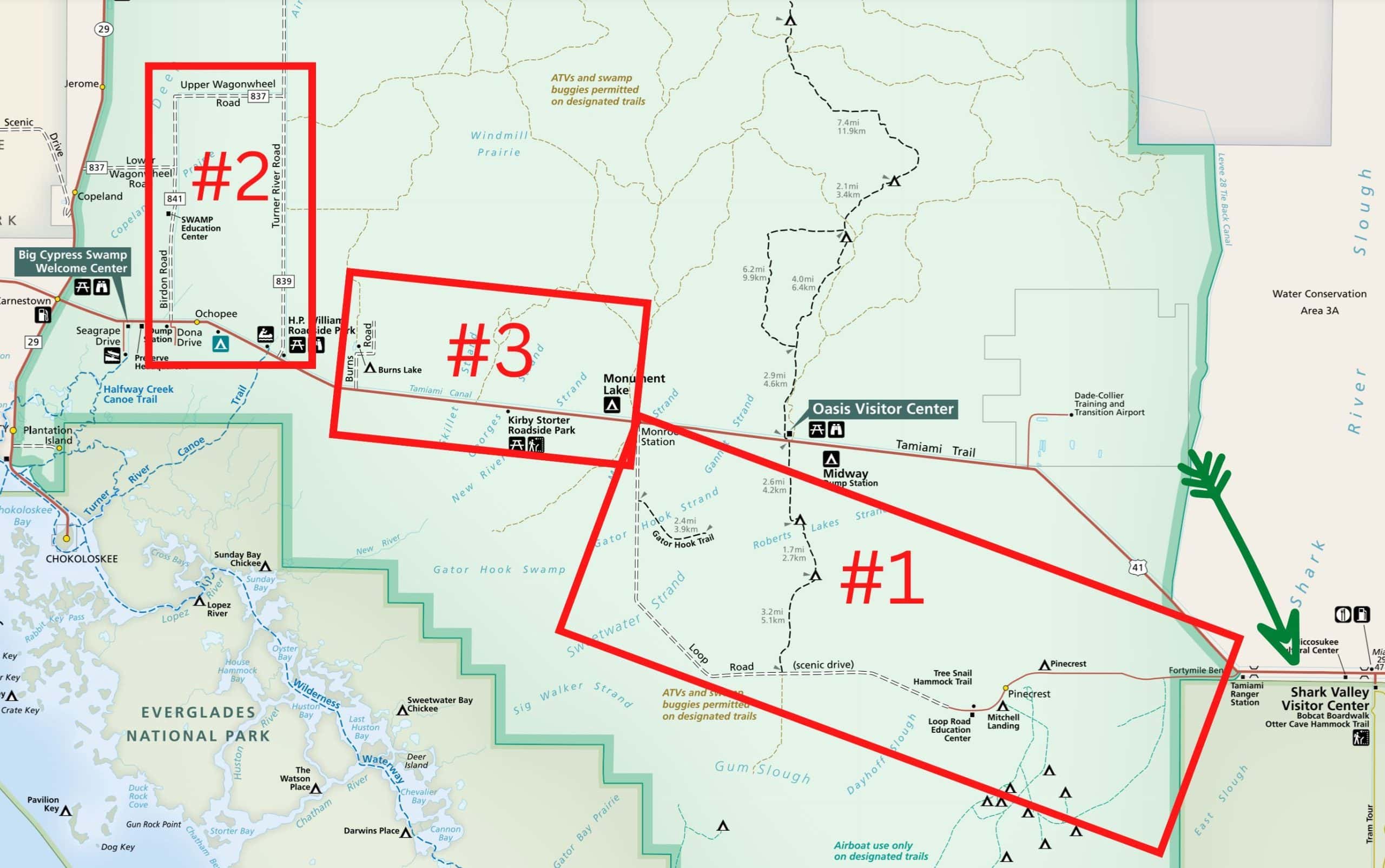
Map of Big Cypress National Preserve / Things to Do in Big Cypress National Preserve
The Ghost Town of Pinecrest
About six miles from the Loop Road entrance at 40-Mile Bend, you’ll reach the ghost town of Pinecrest. The town started in the 1920s as a base for road construction and had around 400 residents by the 1930s.
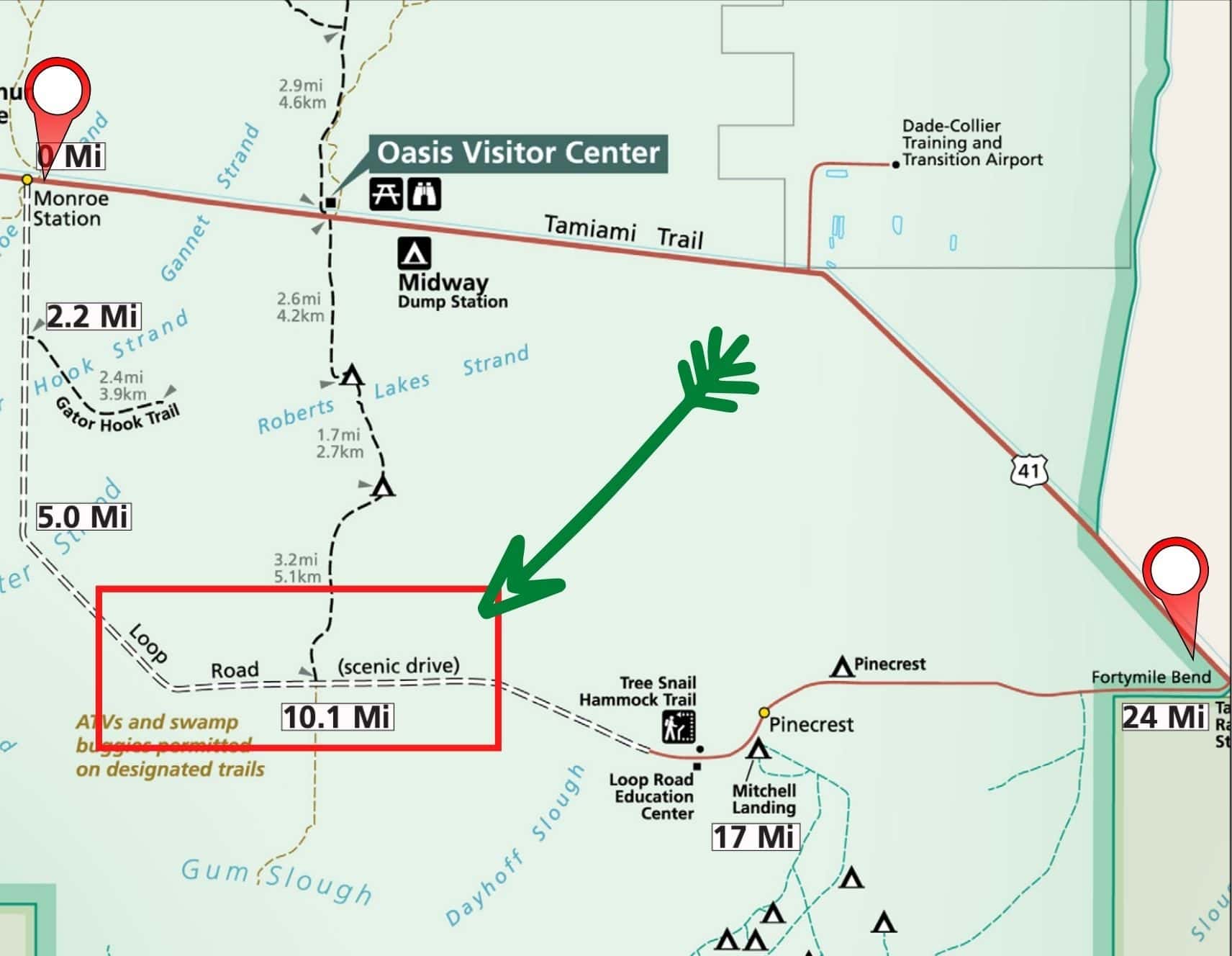
Map of Loop Road Scenic Drive in Big Cypress National Preserve. Image Source: NPS / Things to Do in Big Cypress National Preserve
Pinecrest attracted all sorts of characters—lawless groups, alligator hunters, fishermen, and froggers. Local lore even claims that Al Capone had a mansion, hotel, and brothel here. The Gator Hook Saloon became a landmark and stayed open until 1977.
Pinecrest also has a musical connection: fiddle player Ervin Rouse, who wrote “The Orange Blossom Special,” lived here and occasionally played at the Gator Hook.
A quick stop is all you need—walk around and snap photos of rusting gas pumps, an old ’54 Dodge, and other remnants of the past.
When you’re ready, continue along Loop Road to Tree Snail Hammock Trail, a short hike perfect for stretching your legs. On the way, you’ll pass through areas dominated by slash pines.
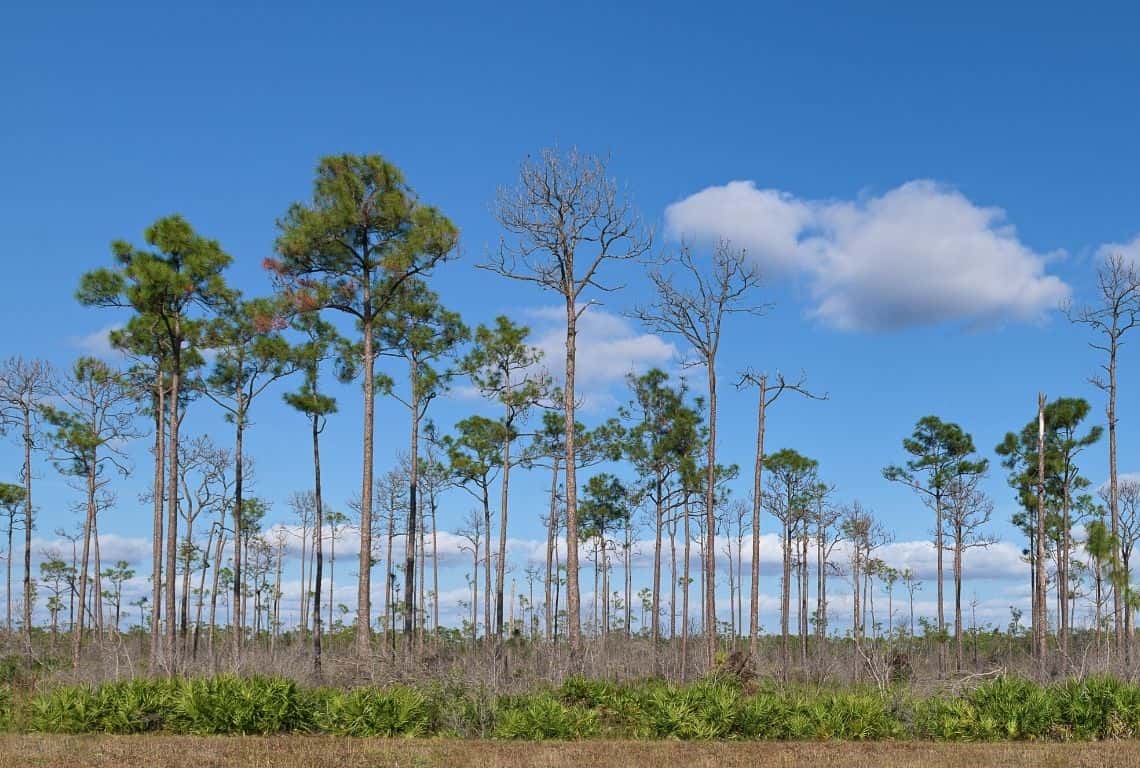
Slash Pines / Things to Do in Big Cypress National Preserve
Tree Snail Hammock Trail
At about 7.5 miles from the start of Loop Road Scenic Drive, you’ll reach Tree Snail Hammock Trail. The trailhead is easy to miss, so watch for the Education Center on the left. The trailhead is directly across from it on the right. The center is used for educational programs but is not open for casual visits.
The trail is a short, easy loop—about 0.3 miles round-trip—perfect for stretching your legs. There are benches along the way if you need a break.
The trail is named for the Florida tree snail, a rare and endangered species with colorful, spiraled shells in shades of white, green, chestnut, orange, yellow, or pink. Spotting one feels like a little treasure hunt.
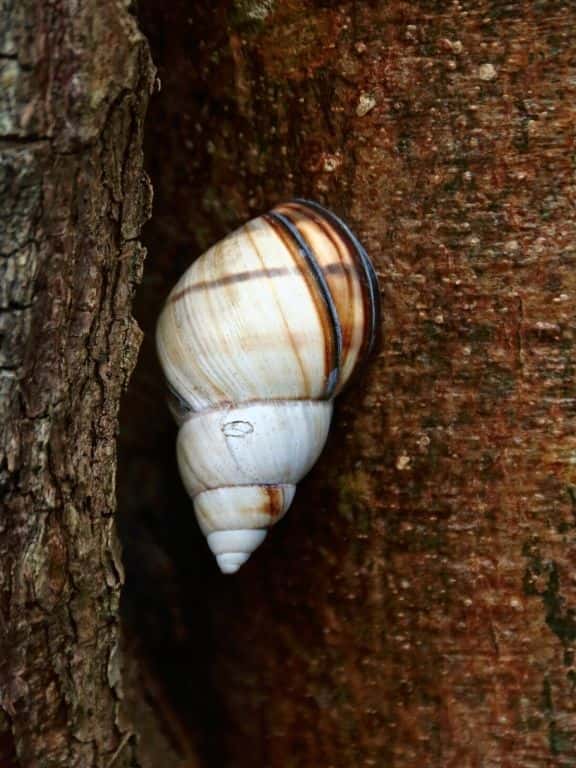
Florida Tree Snail / Things to Do in Big Cypress National Preserve
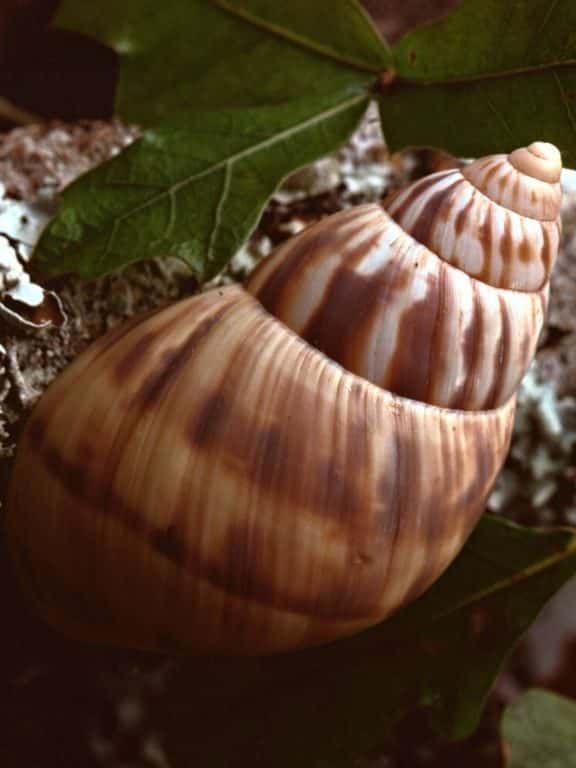
Florida Tree Snail / Things to Do in Big Cypress National Preserve
The path winds through a hardwood hammock, a slightly higher, drier habitat. You’ll also see gumbo limbo trees, nicknamed the “Tourist Tree” because of their peeling red bark. These trees have practical uses too: their wood works for light construction, firewood, and the resin has been used as glue, varnish, incense, and even traditional medicine.
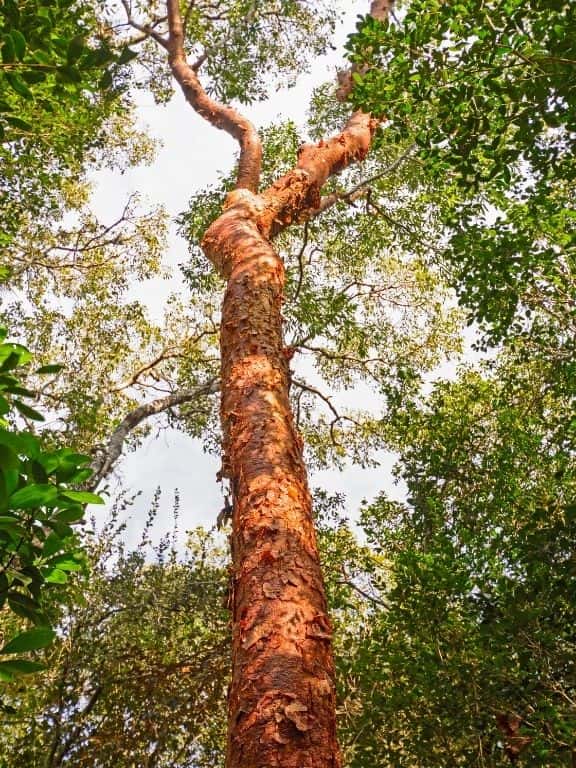
Gumbo Limbo Tree / Things to Do in Big Cypress National Preserve
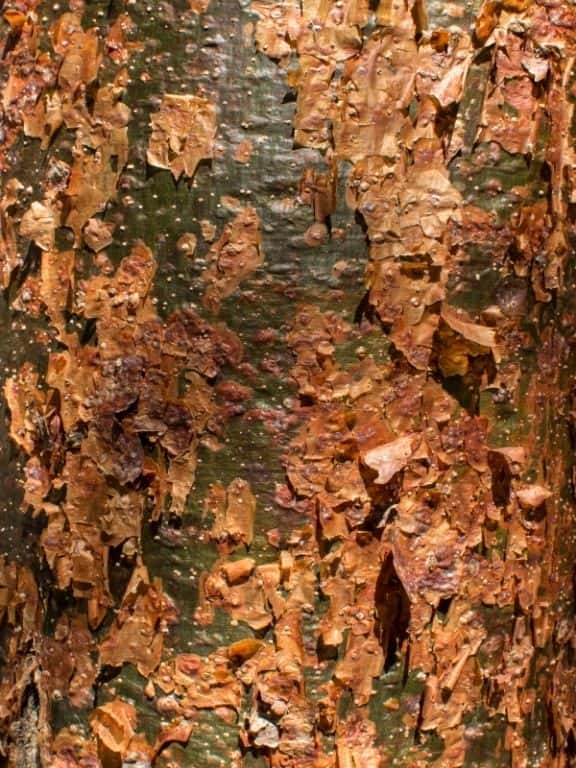
Gumbo Limbo Tree / Things to Do in Big Cypress National Preserve
When you finish the trail, jump back into your car and continue along Loop Road. You’ll soon pass areas with small culverts that help water flow and prevent road washouts. If you visit in the dry season (November–May), keep an eye on remaining water pools; they’re excellent spots to see wildlife.
The Florida Trail Southernmost Point
About 13.6 miles into Loop Road Scenic Drive, you’ll reach the southernmost point of the Florida Trail. This trail stretches 1,400 miles across Florida, and here you are at its very end.
It’s a great spot to get out of your vehicle and stretch your legs. Even a short walk will take you through a beautiful cypress forest decorated with air plants. These air plants, or epiphytes, don’t need soil to grow—they attach to trees and get nutrients from moisture and debris in the air. They’re not parasitic; they simply use the tree as a support.
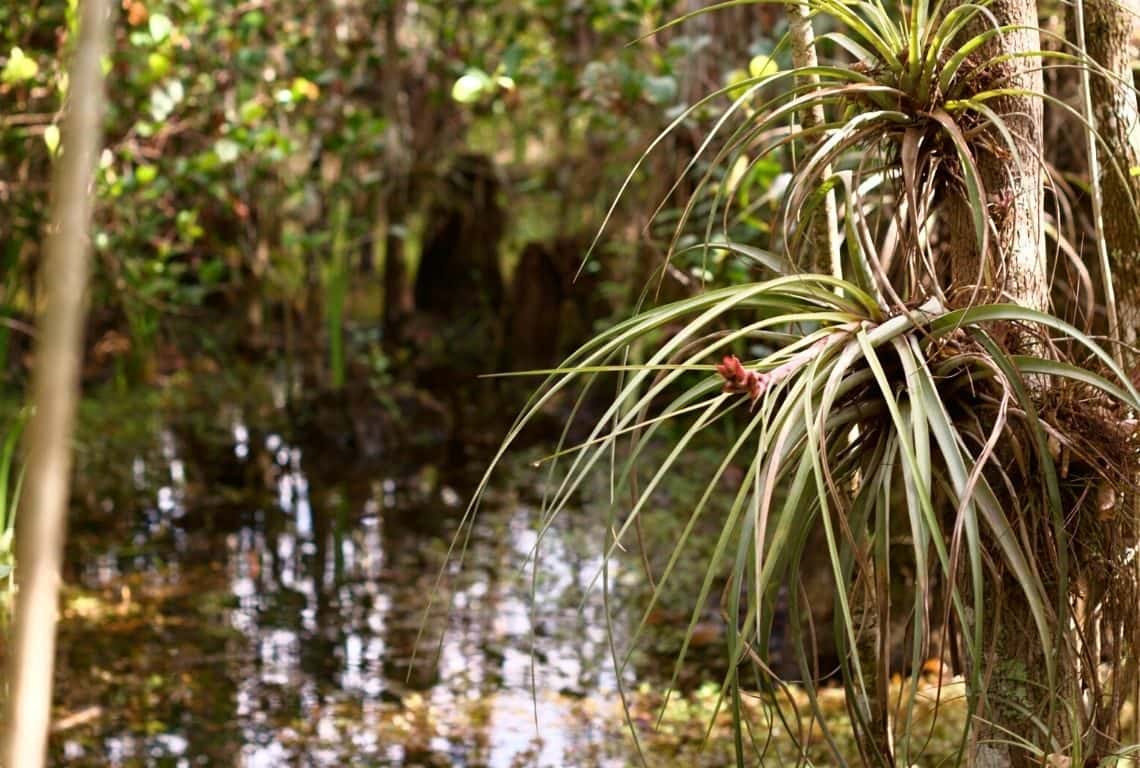
Air Plants / Things to Do in Big Cypress National Preserve
Culvert 30
Culvert 30 is located about 14.2 miles from the start of Loop Road Scenic Drive. It is deeper than the previous culverts that you passed on your way and it stays flooded even during the dry season. It is a great spot for wildlife viewing.
Hands down, you will see alligators, all kinds of birds, and fish, and hopefully, if you are lucky, maybe you can spot the elusive river otter.
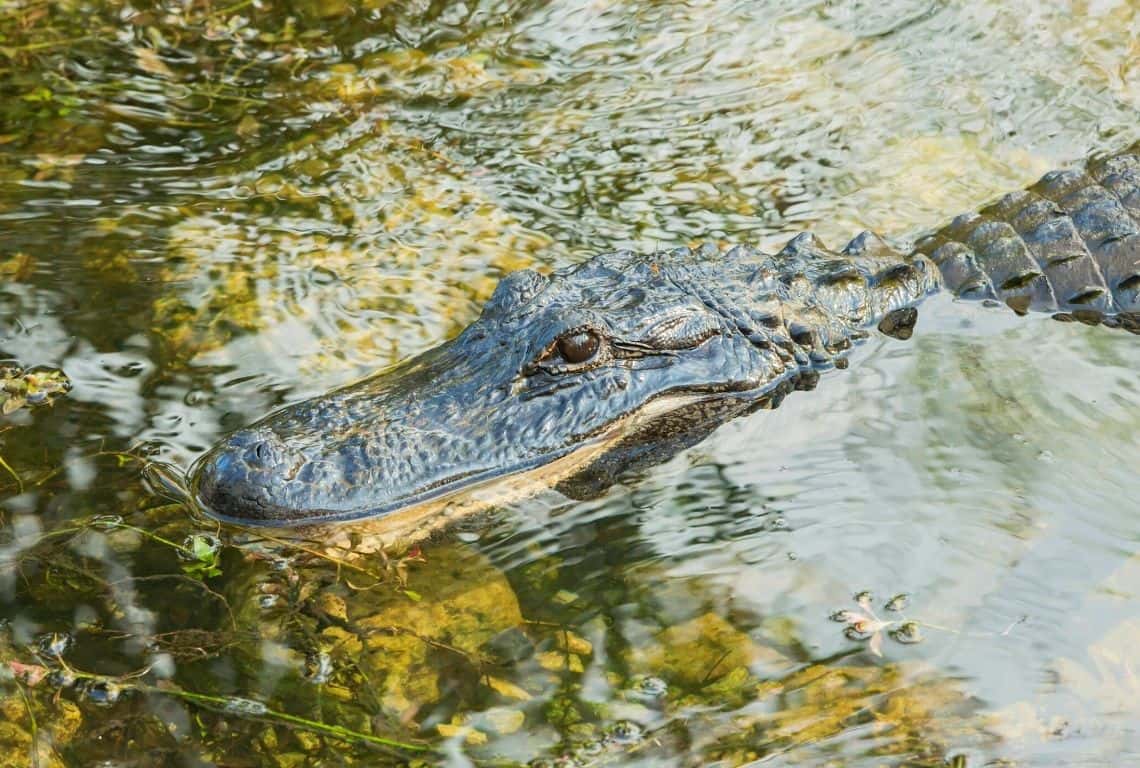
Alligators Can Have 3,000 Teeth in Their lives. Source: Newsweek / Things to Do in Big Cypress National Preserve
Sweetwater Strand
At around 19 miles from the start of Loop Road, you’ll reach Sweetwater Strand, without question one of the most spectacular sights along the drive.
Here, the cypress trees grow tall and massive, nourished by the rich waters that pool in the deep strand. Their trunks and branches are draped with epiphytes like bromeliads, Spanish moss, and ferns.
Look down, and you’ll notice the famous cypress knees—those knobby roots pushing up from the ground. They help stabilize the trees, linking their roots together like a natural net, giving them strength against hurricane winds.
Sweetwater Strand is also one of the best places on Loop Road to spot alligators and wading birds such as herons, egrets, and ibis.
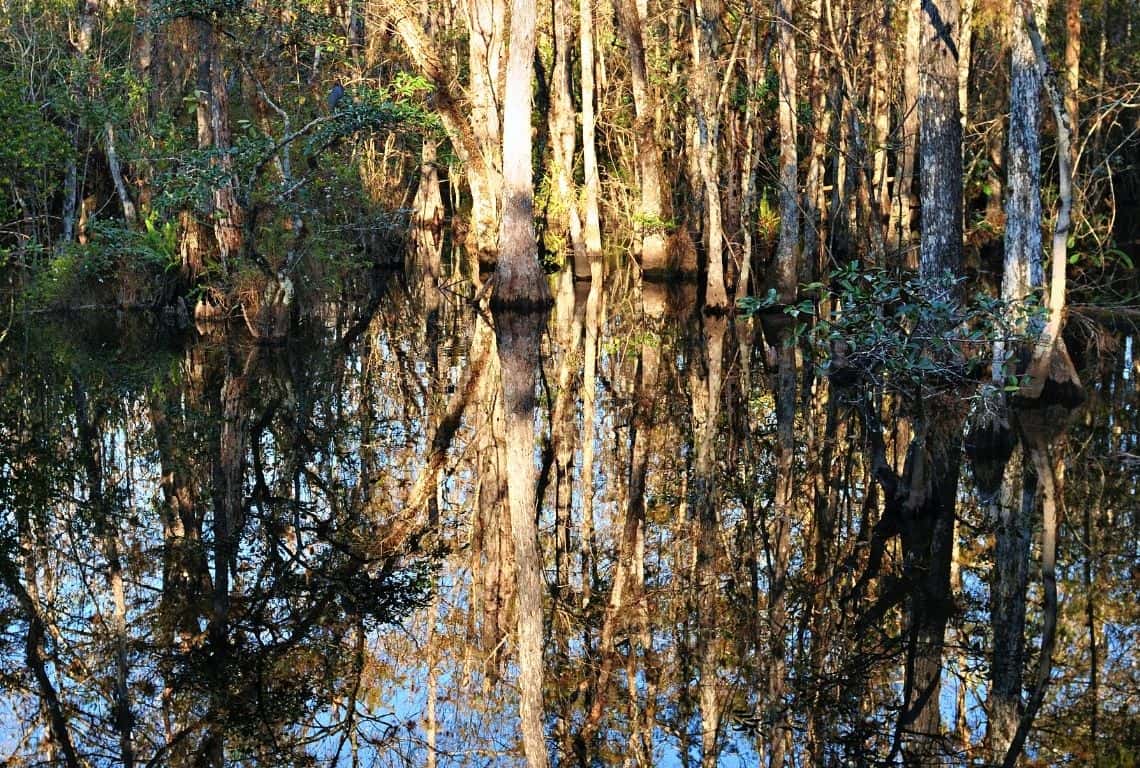
Sweetwater Strand / Things to Do in Big Cypress National Preserve
Gator Hook Trail
About 22 miles from the start of Loop Road, you’ll come to the Gator Hook Trail. The trail is a 5-mile hike that follows an old tram road once used by loggers. Small trains ran through this swamp carrying cut cypress trees, and you can still spot pieces of the original cypress rails along the path, proof of how well this wood resists decay.
Logging was huge in this area until the 1950s. The industry was so widespread that most of the old, market-sized cypress was removed. What you see along the trail today is mostly second-growth forest, with only a handful of the original giants left standing.
Sawgrass Prairie
Around 22.5 miles from the start of Loop Road, the landscape opens into a wide sawgrass prairie with a small cypress stand in the distance.
Sawgrass looks like grass, but it’s actually a sedge—you can tell because sedges have triangular stems, while true grasses are round. It grows tall (up to ten feet), thick, and fast. And yes… those sharp, tooth-like edges on the leaves can cut you, which is how it got its name.
Even though it’s tough on the hands, sawgrass is essential in the Everglades. As it breaks down, it forms peat, a rich organic soil. Its seeds feed migrating birds, and the thick growth gives alligators a safe place to hide and nest.
In the distance, you’ll see a dwarf cypress stand. These trees stay small because the soil here is so low in nutrients. They may look young, but many are hundreds of years old.
This prairie is also a good habitat for snakes. The ones you’re most likely to see are black racers, yellow rat snakes, and different water snakes. They’re all nonvenomous and play an important role in the ecosystem.
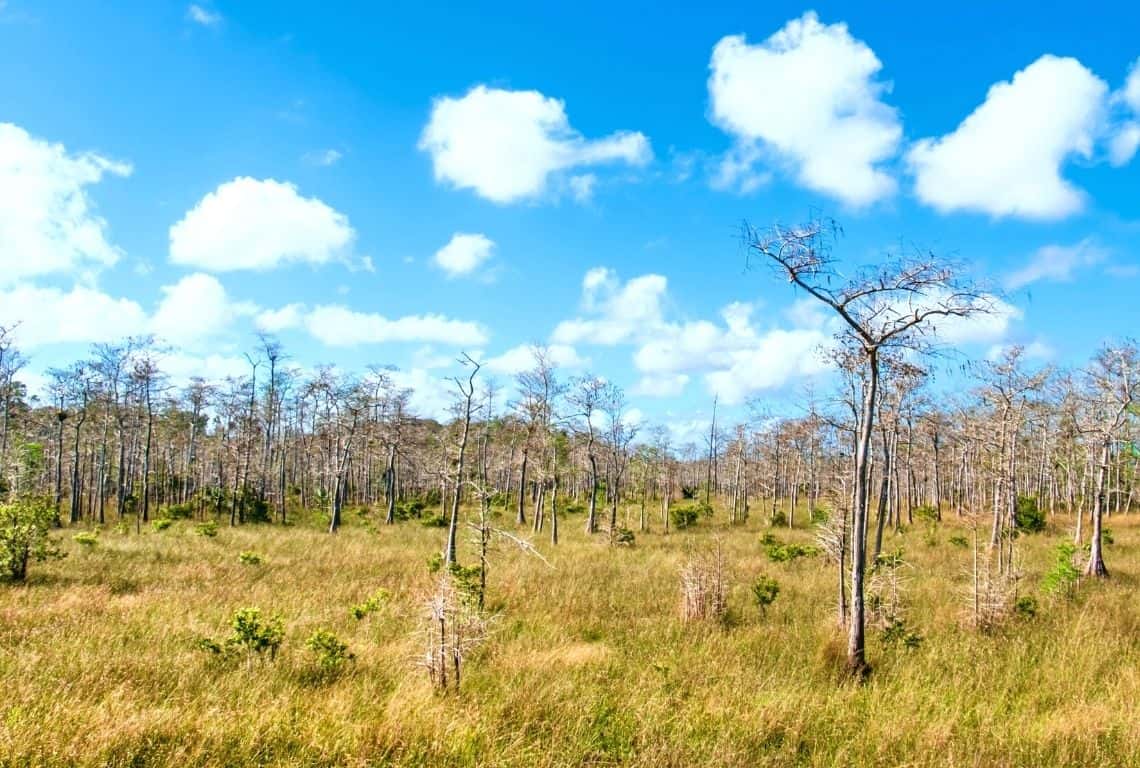
Sawgrass Prairie / Things to Do in Big Cypress National Preserve
Monroe Station
Monroe Station marks the end of Loop Road Scenic Drive.
It is one of the original buildings along the Tamiami Trail. Completed in 1928 or 1929, as one of six service stations built at regular intervals along the road to assist travelers, providing gasoline and refreshments. In later years, it was also a tavern and roadside inn.
The historic building has stood through many eras and is now closed due to structural problems.
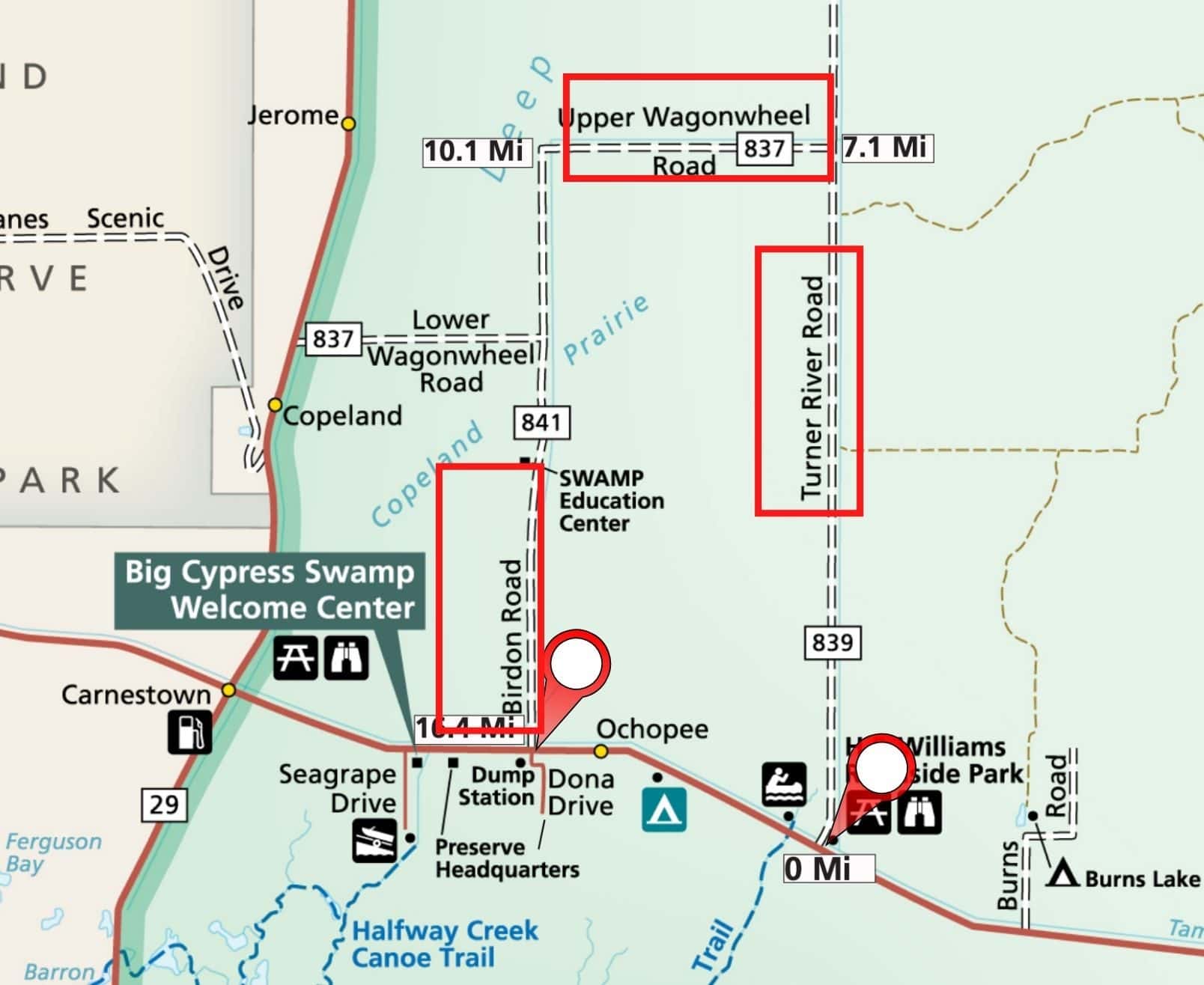
Map of Turner River, Upper Wagonwheel, and Birdon Road Loop Drive in Big Cypress National Preserve. Image Source: NPS /Things to Do in Big Cypress National Preserve
H.P. Williams Roadside Park
Next, we are heading towards Turner River, Upper Wagonwheel, and Birdon Road Loop Drive. Simply, after you finish Loop Road Scenic Drive, you will find yourself at the Tamiami Trail (U.S. Highway 1). Turn left (west) and continue on Tamiami Trail (U.S. Highway 41) for about 10.4 miles until you reach Turner Road. At Turner Road, turn right and continue north.
Here is the map to help you navigate:
Map of Turner River, Upper Wagonwheel, and Birdon Road Loop Drive in Big Cypress National Preserve. Image Source: NPS /Things to Do in Big Cypress National Preserve
The first stop is here is H.P. Williams Roadside Park.
Homer P. Williams was an engineer for the Collier Company during the construction of the Tamiami Trail which was completed in 1928.
There is a nice boardwalk that ends with a viewing platform. So make sure to get out and stretch your legs.
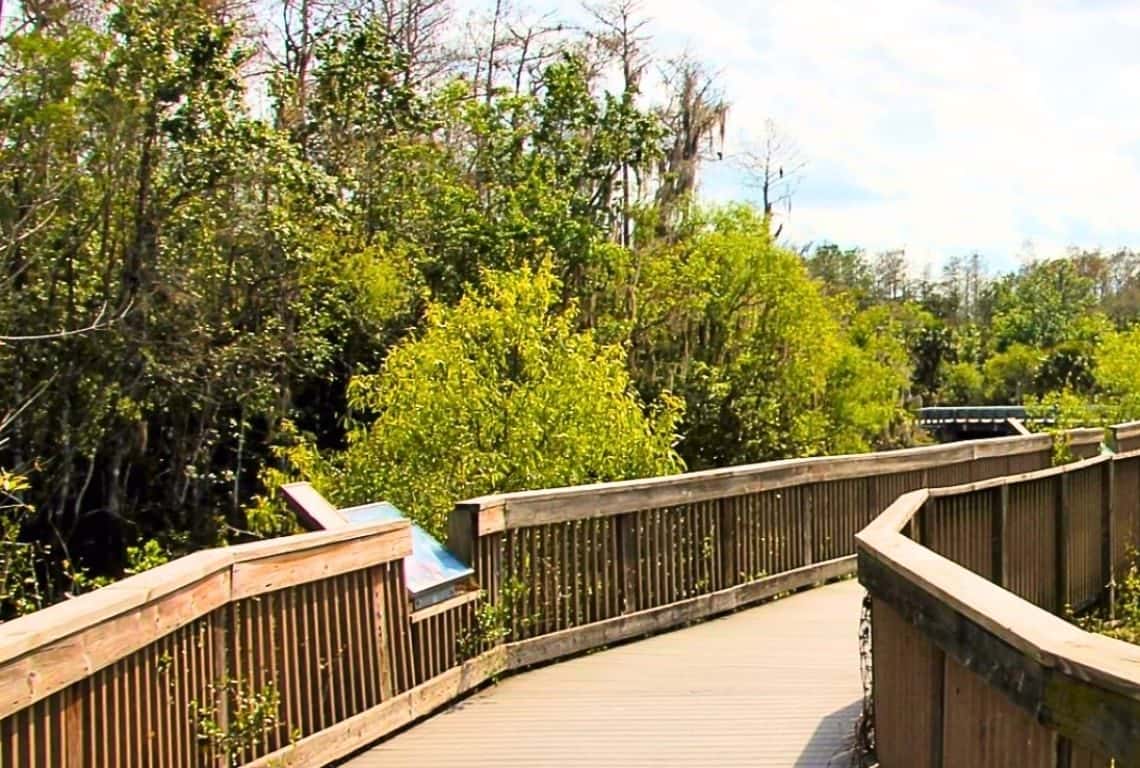
H.P. Williams Roadside Park / Things to Do in Big Cypress National Preserve
H.P. Willialms Roadside Park / Things to Do in Big Cypress National Preserve
Turner River Road
The first stretch of the loop is Turner River Road, a 7.1-mile drive that cuts through the swamp like a natural dam. It actually blocks part of the Turner River from its original water source.
As you drive, you’ll notice lots of young cypress trees. These are the descendants of the giants that were heavily logged in the 1950s, when one million board feet of cypress was removed every week.
This is a great area to pull over and look for wildlife. You’ll likely spot Anhingas along this road. They’re easy to recognize: sometimes they swim with just their head and neck above water, and other times you’ll see them perched with their wings spread out to dry. Since they don’t have waterproof feathers, they can dive deeper than most birds—but they have to air-dry afterwards. They spear fish with their sharp beak, and sometimes they even rub the fish off on a rock or branch.
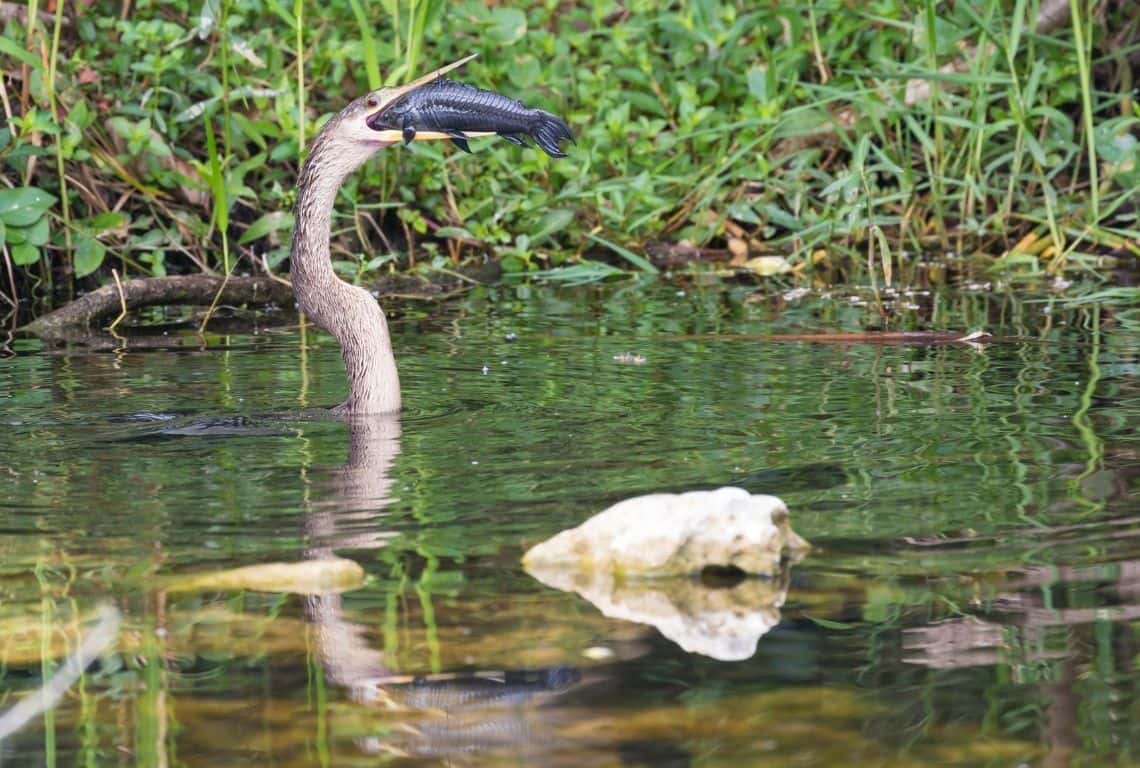
The Anhinga / Things to Do in Big Cypress National Preserve
You might also see a great blue heron—tall, elegant, with a blue-gray body and a bold black stripe over its eye. They stand perfectly still while hunting. The great egret is another common sight: bright white, long legs, and a yellow bill that delivers a lightning-fast strike.
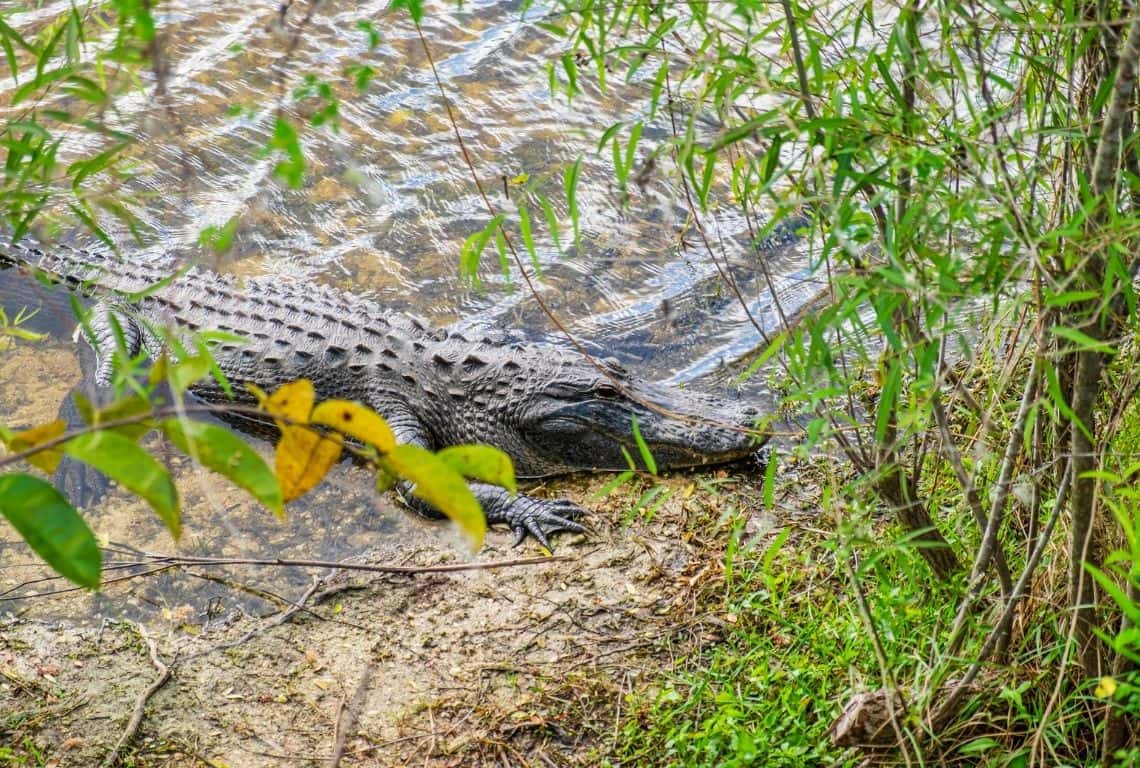
And of course, keep an eye out for alligators. They love to bask along the canal edges, warming up in the sun. They’re top predators here and eat everything from fish to birds to small mammals. During the dry season, they usually feed about once a week.
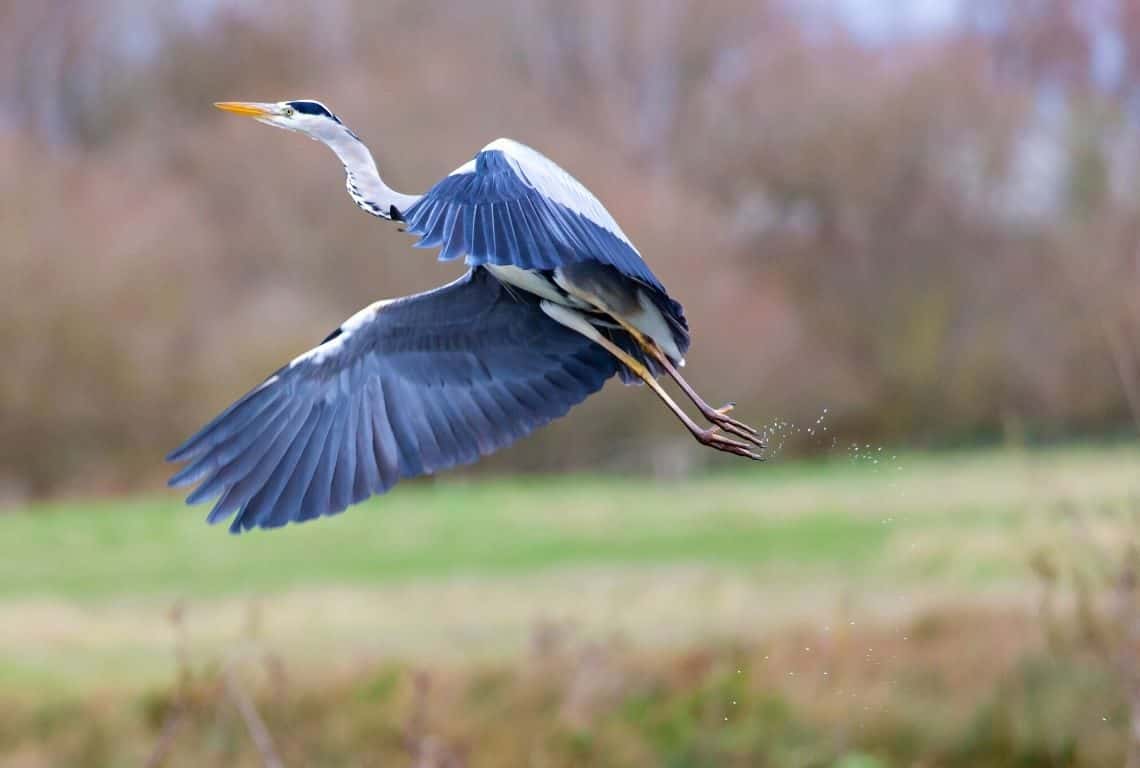
The Great Blue Heron / Things to Do in Big Cypress National Preserve
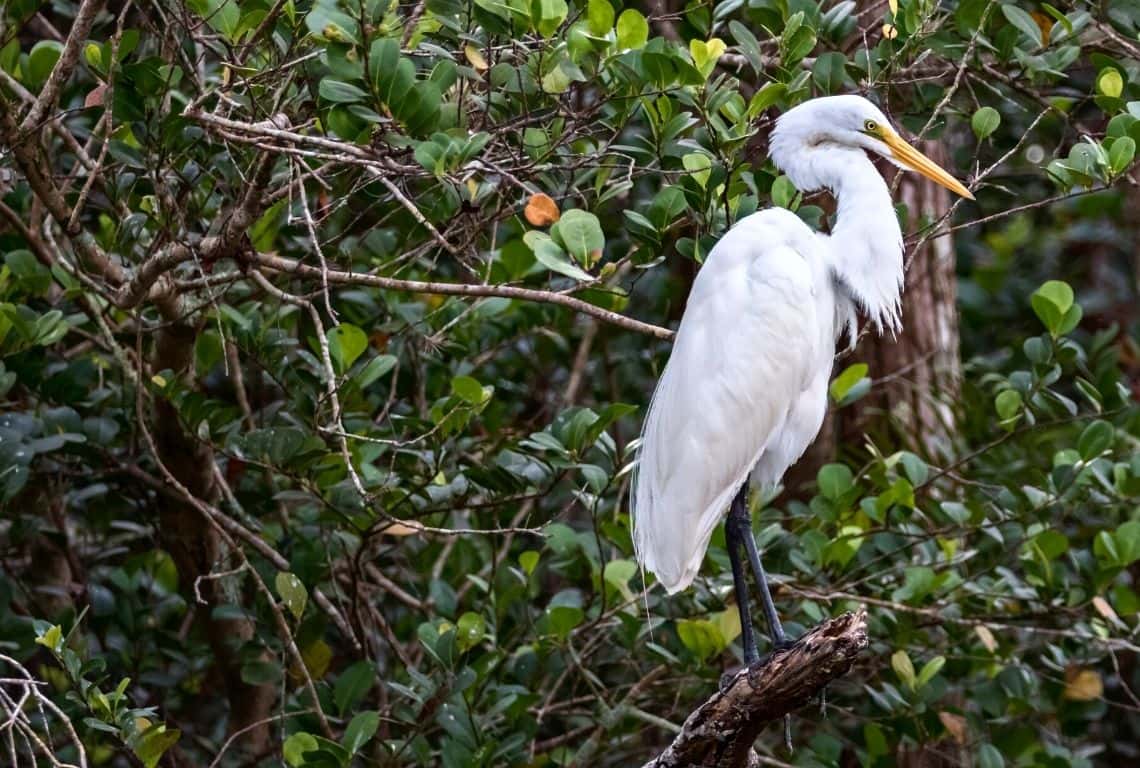
The Great Egret / Things to Do in Big Cypress National Preserve
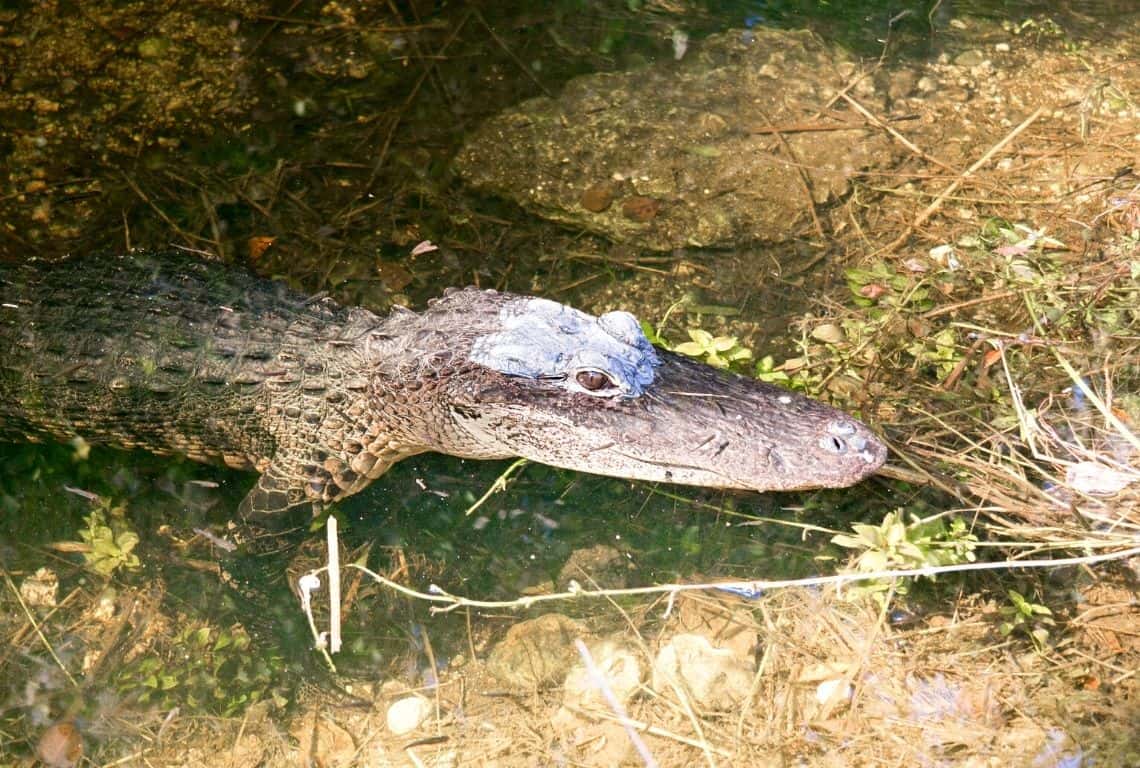
American Alligator / Things to Do in Big Cypress National Preserve
Upper Wagonwheel Road
Next, turn left (west) and continue on Upper Wagonwheel Road.
The landscape here opens into wide sawgrass prairies. To the north, you’ll spot clusters of cabbage palms, Florida’s state tree. They’re surprisingly cold-hardy—down to about 15°F—and were incredibly useful to Indigenous communities. Their leaves were woven into baskets, nets, and thatch, while the trunks were used for poles, paddles, and tools. The tree gets its name from its edible “heart,” which has a mild, cabbage-like flavor.
If you look south, you’ll see slash pines. Their name comes from the old method of “slashing” the bark to collect resin for making turpentine, a major industry in the past.
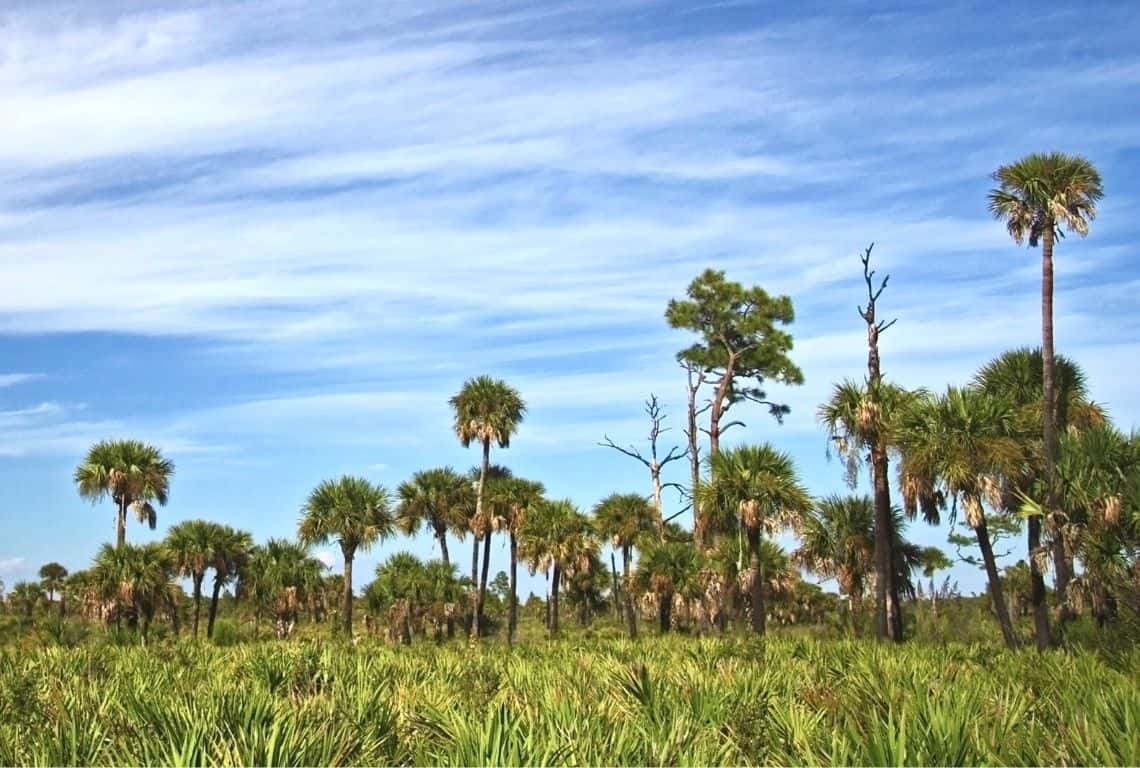
Cabbage Palms / Things to Do in Big Cypress National Preserve
Birdon Road
After about 3 miles, Upper Wagonwheel Road ends and gives way to Birdon Road. Turn left and head south. There are plenty of opportunities to make stops along the way and look for wildlife.
At about 14.3 miles from the start of the loop road, you will reach the Swamp Education Center. It offers a variety of educational programs and provides an opportunity for sixth-grade students to learn about Big Cypress National Preserve.
Mile 16.4 marks the end of Birdon Road and brings you back to Tamiami Trail (US 41), completing this drive.
The Tamiami Trail/U.S. Highway 41
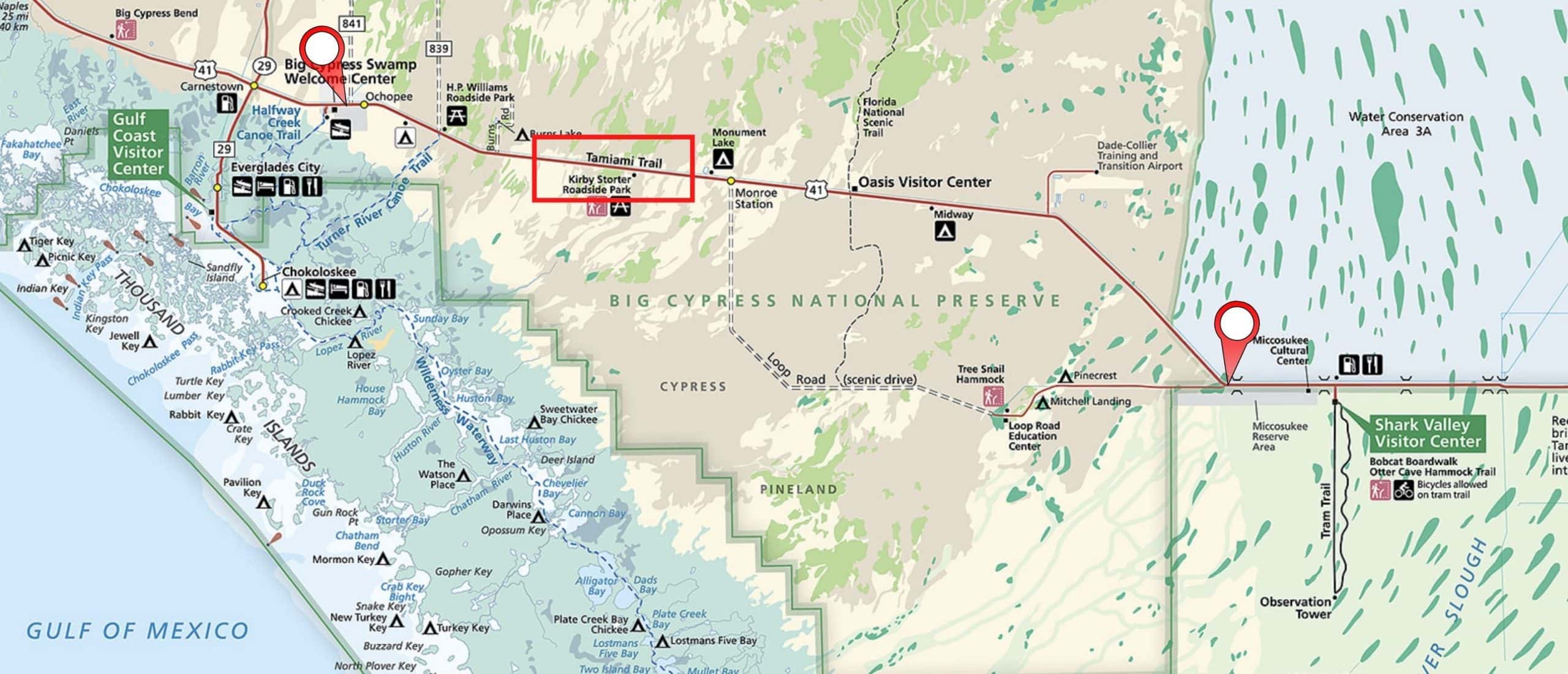
The Tamiami Trail in Big Cypress National Preserve. Image Source: NPS / Things to Do in Big Cypress National Preserve
The Tamiami Trail (U.S. Highway 41) is the third scenic drive in Big Cypress National Preserve.
Once you complete Turner River, Upper Wagonwheel, and Birdon Road Scenic Drive in Big Cypress National Preserve, you will reach the Tamiami Trail (U.S. Highway 41). Turn left (east) and continue on the Tamiami Trail (U.S. Highway 41). You will be going back to Miami.
Ochopee Post Office
Once you complete Turner River, Upper Wagonwheel, and Birdon Road Scenic Drive, you will reach the Tamiami Trail (U.S. Highway 41). Turn left (east) and continue on the Tamiami Trail (U.S. Highway 41).
Here is the map to help you along:
The Tamiami Trail in Big Cypress National Preserve. Image Source: NPS / Things to Do in Big Cypress National Preserve
The first quick stop here is the Ochopee Post Office. This post office is the smallest post office building in the United States. It is fully functional, serving a three-county area.
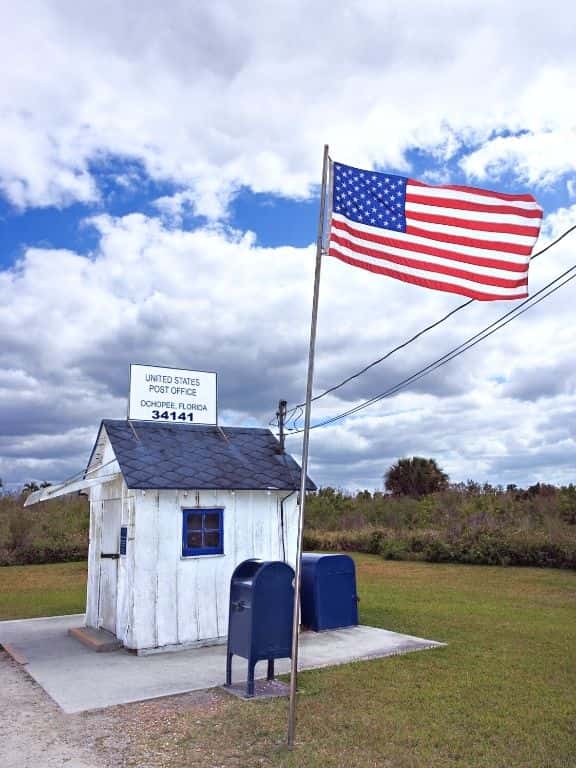
Ochopee Post Office / Things to Do in Big Cypress National Preserve
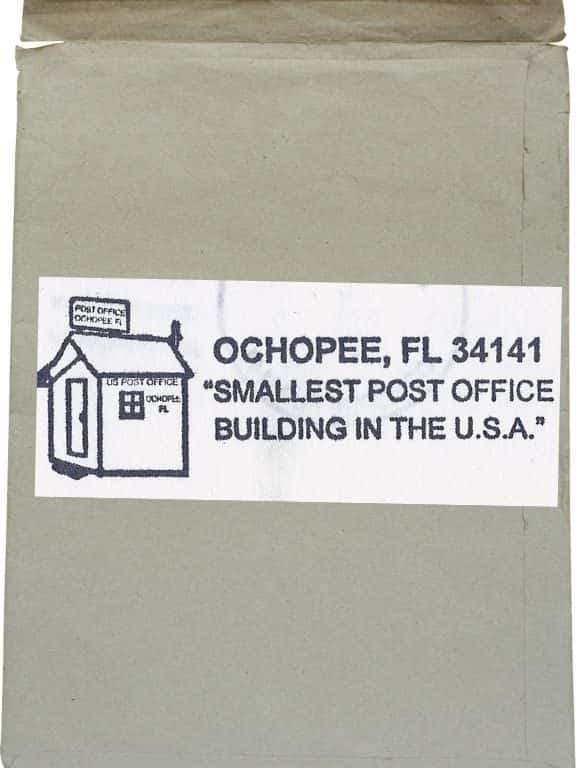
Ochopee Post Office / Things to Do in Big Cypress National Preserve
Kirby Storter Roadside Park and Boardwalk
The next stop is Kirby Storter Roadside Park and Boardwalk. It is a one-mile round-trip interpretive walk into the Big Cypress National Preserve. The trail will take you through a sawgrass prairie habitat into a cypress swamp.
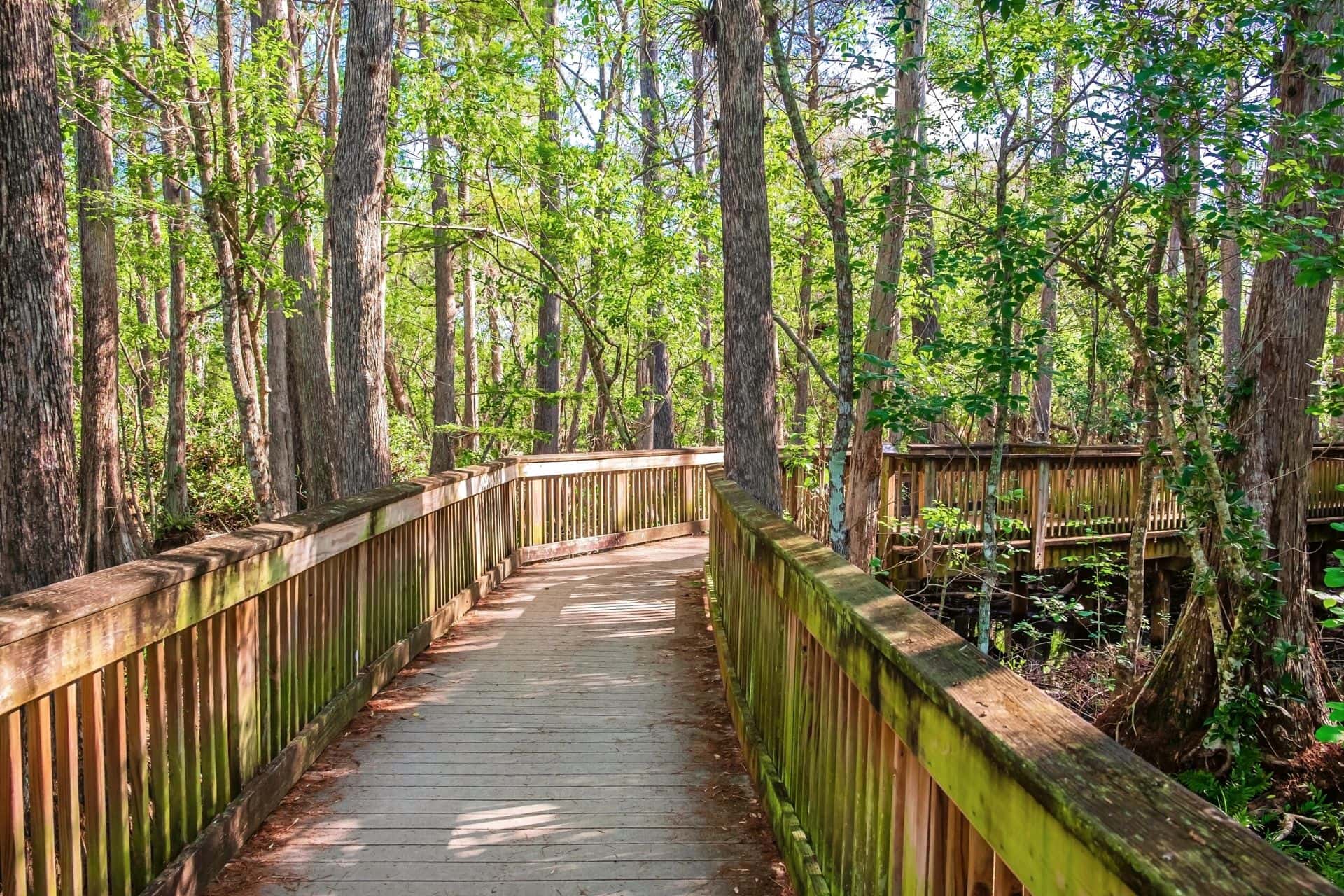
Kirby Storter Roadside Park / Things to Do in Big Cypress National Preserve
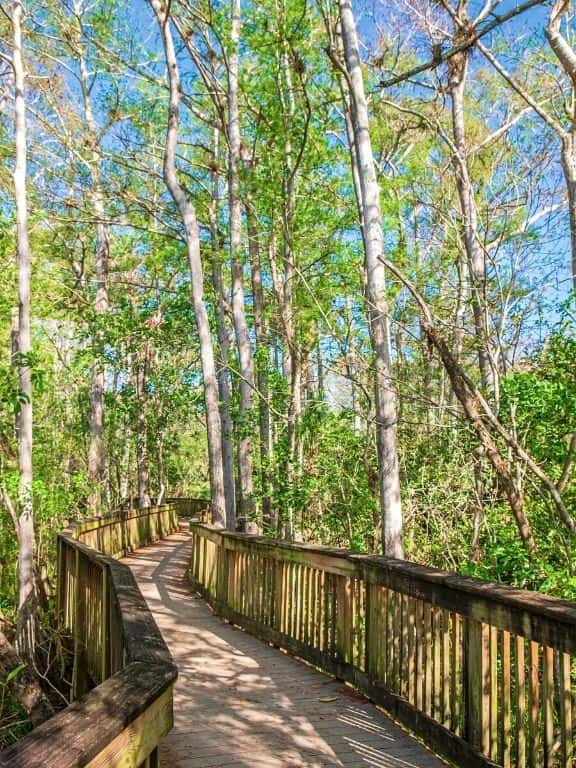
Kirby Storter Roadside Park / Things to Do in Big Cypress National Preserve
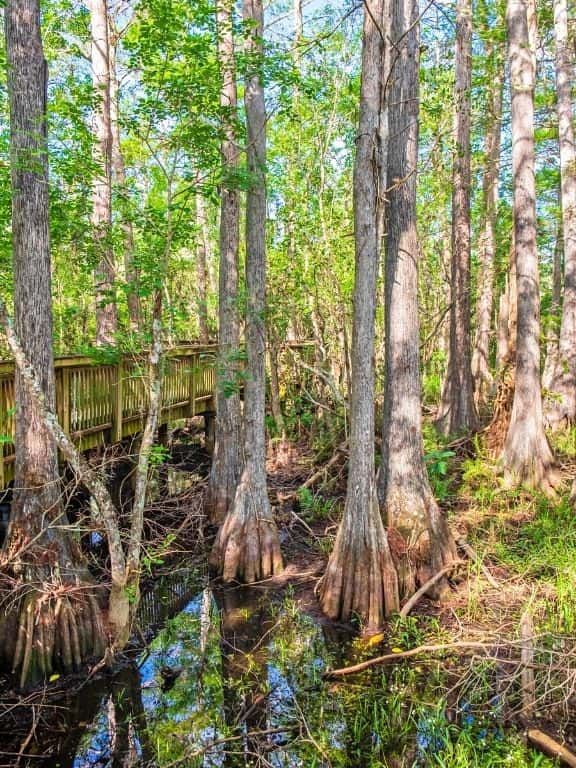
Kirby Storter Roadside Park / Things to Do in Big Cypress National Preserve
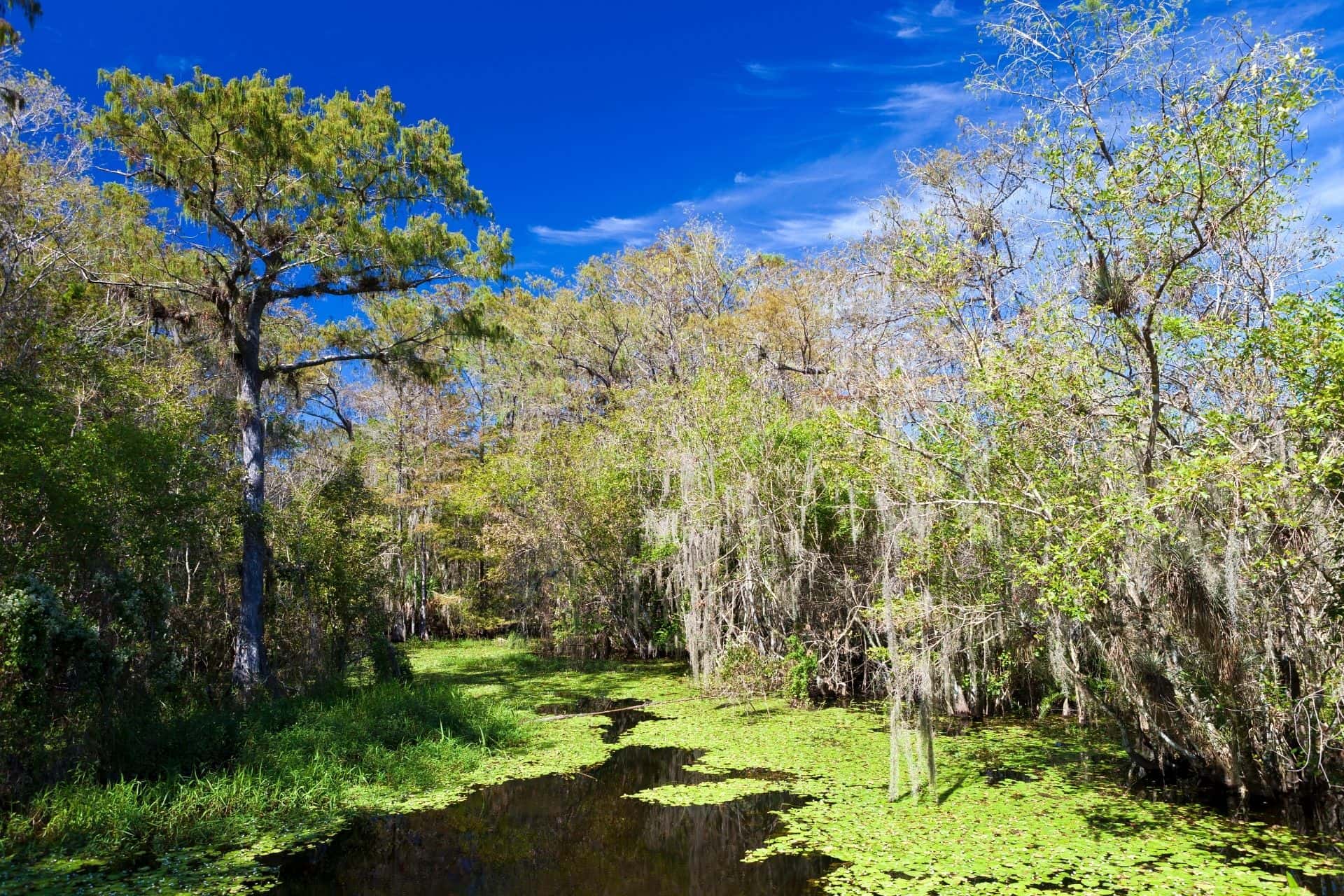
Kirby Storter Roadside Park / Things to Do in Big Cypress National Preserve
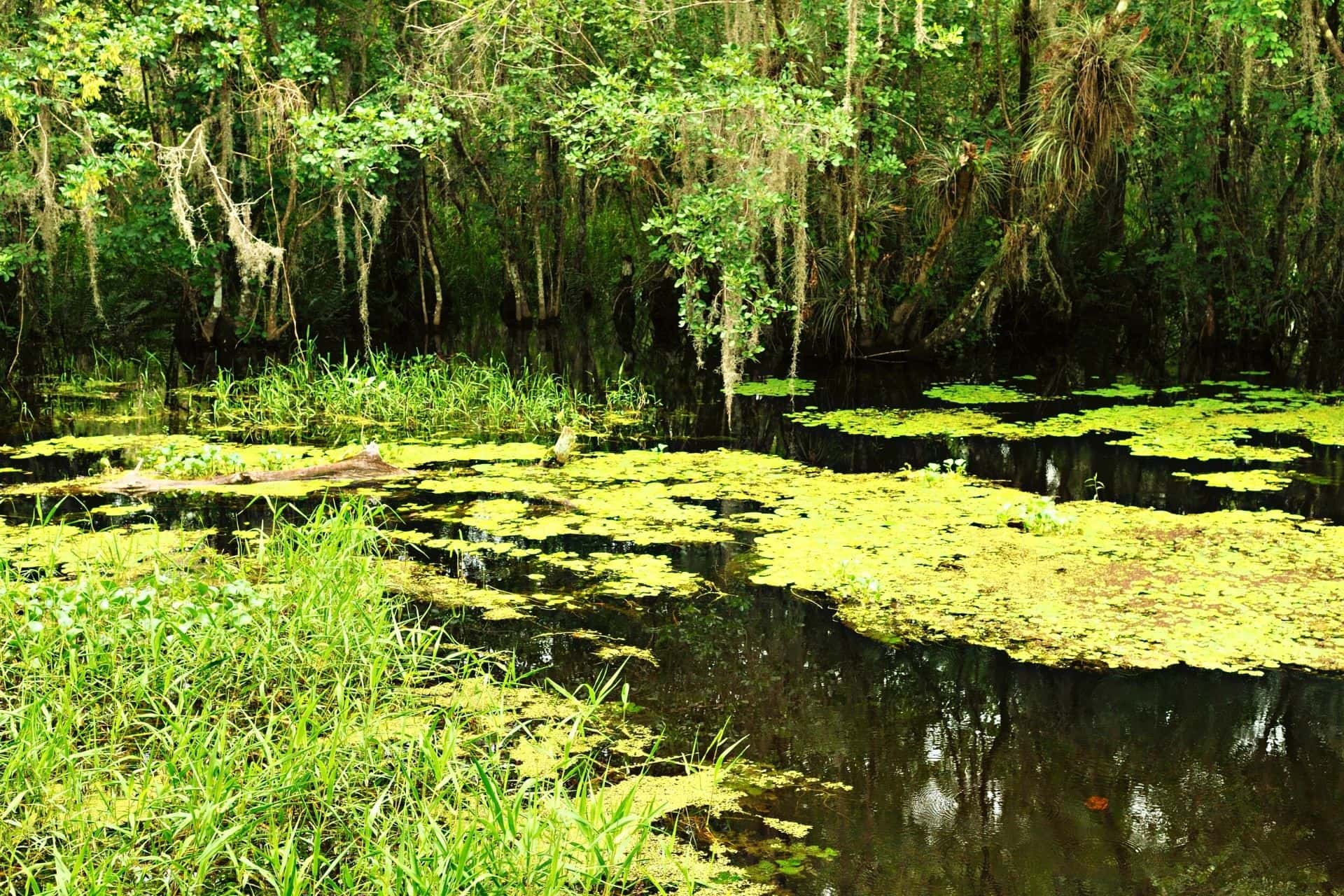
Kirby Storter Roadside Park / Things to Do in Big Cypress National Preserve
Big Cypress Oasis Visitor Center and Boardwalk
Big Cypress Oasis Visitor Center has several good educational displays, and it is worth a quick stop. If you have time, then make sure to watch a video that is shown every half hour.
Next to the Visitor Center is a viewing platform. It is a perfect spot to see lots of alligators and all kinds of birds.
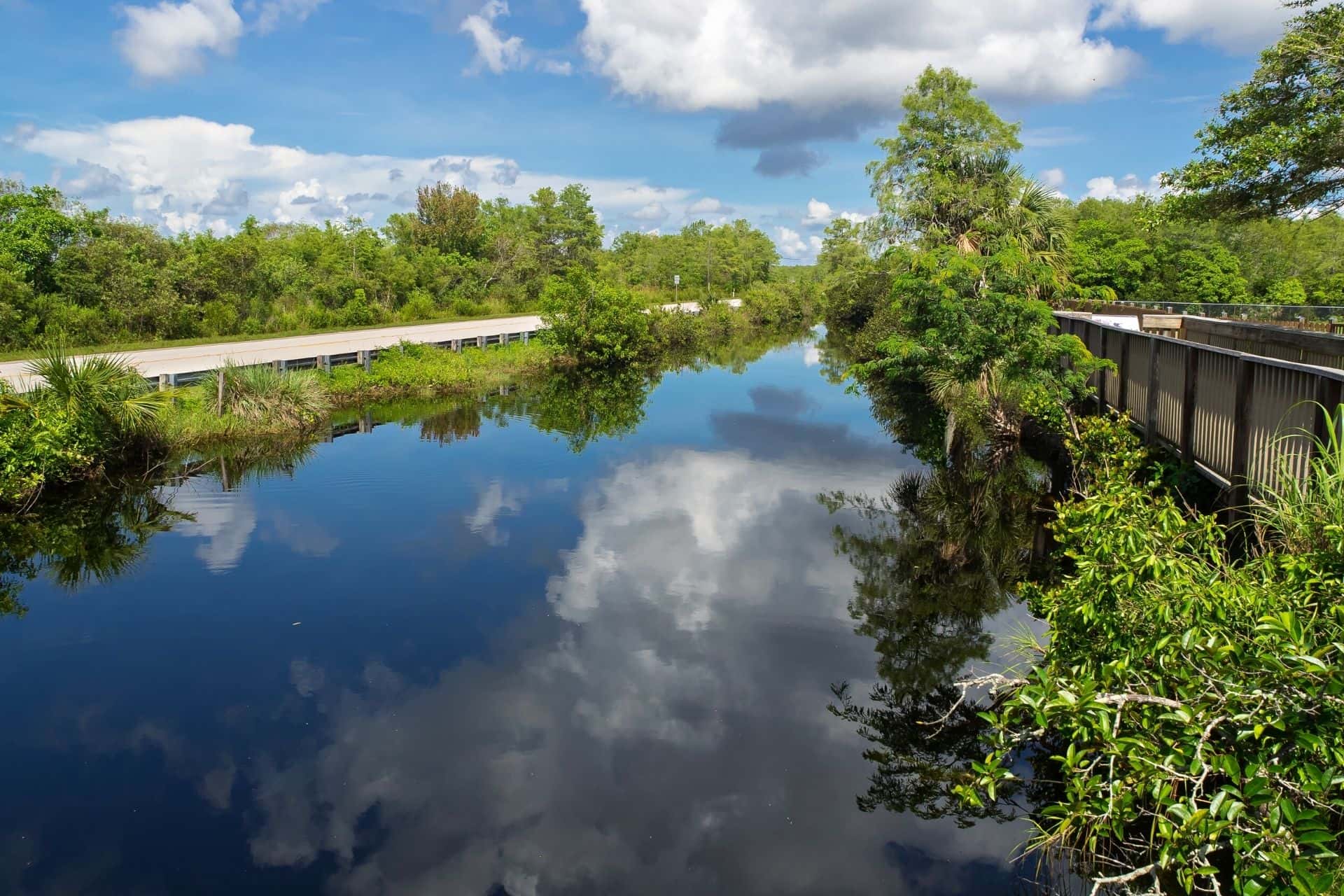
Big Cypress Oasis Visitor Center / Things to Do in Big Cypress National Preserve
Miccosukee Indian Village
The next stop on the Tamiami Trail is the Miccosukee Indian Village. You can visit the Miccosukee Indian Gift Shop to find crafts created by natives around the world.
There is a museum that showcases Miccosukee’s history and culture preserved through historical documents, archival photographs, and original artifacts. In addition, there are alligator shows and airboat rides.
More Helpful Posts About Florida:
Romantic WEEKEND in MIAMI for COUPLES: Idyllic 3-Day Itinerary for Lovebirds
12 Insider MIAMI TIPS for FIRST-TIME VISITORS: Unlock a Spectacular Experience!
One Day in Everglades National Park (9 Places You Can’t Miss on First Visit)
3 Scenic Drives in Big Cypress National Preserve (Best Stops You Can’t Miss)
Did You Find This Useful?
Why Not Save Things to Do in Big Cypress National Preserve to Your Pinterest Board
Now, It Is Your Turn, I Would Like to Hear Back from You!
Are you planning on visiting Big Cypress National Preserve?
Please let me know! Drop me a quick comment right below!
Click on any of the images below to get inspired and to help you with the planning process for your trip to Florida!